The Ultimate Caribbean Food Centennial Guide for Food Lovers
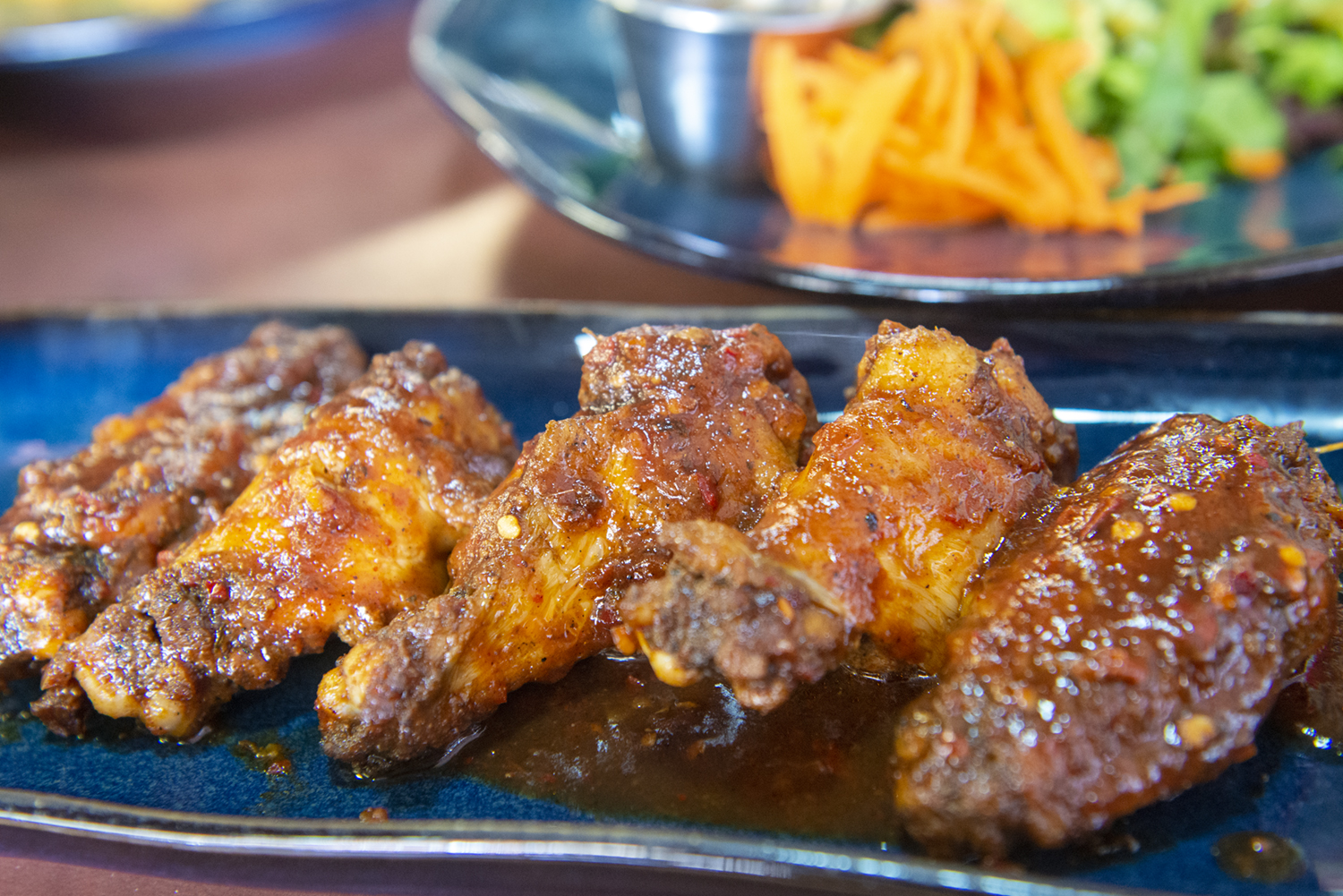
Centennial is not the first place most people picture when they think about Caribbean cooking. People usually jump straight to Miami, Brooklyn, Toronto, or parts of London where island food has long been woven into the local dining fabric. But that is exactly why the search here feels rewarding. In Centennial and the surrounding south Denver corridor, Caribbean food tends to reveal itself slowly, through family-run kitchens, pop-ups, catering operations, and restaurants that carry a broader Latin American or African diaspora influence while still turning out a deeply satisfying jerk chicken plate or a proper oxtail stew.
For food lovers, that makes the experience more interesting, not less. You have to look with intent. You ask questions. You pay attention to who is making the food, how it is seasoned, and what gets ordered by regulars. The result is a kind of eating that feels less packaged and more personal.
This guide is built for exactly that kind of diner. If you are searching for the best Caribbean food Centennial has to offer, or trying to understand what to order and why certain dishes matter, you are in the right place.
What Caribbean food really means on the plate
Caribbean cuisine is not one cuisine. It is a region of cuisines shaped by Indigenous foodways, African culinary traditions, European colonial histories, Indian indentured labor migrations, Chinese communities, and generations of adaptation to island climate and local crops. That is why one menu might lean Jamaican, another Trinidadian, another Haitian or Cuban, and all of them still feel recognizably Caribbean.
On the plate, you often see a few constants. Seasoning matters more than heat alone. Marinades are deep and layered. Rice is rarely just rice. Beans are more than a side. Plantains can appear sweet, savory, smashed, or fried crisp. Meat is often cooked until it yields, especially in dishes like curry goat, braised oxtail, and stewed chicken. Even when a meal looks simple at first glance, it usually carries a long chain of techniques behind it, from green seasoning pastes to dry rubs, allspice-heavy marinades, slow braising, or overnight resting.
If you are new to the cuisine, one of the easiest mistakes is to reduce Caribbean food to “spicy food” or “jerk food.” Jerk is important, yes, but it is only one chapter. A serious Caribbean meal can be earthy, smoky, sweet, peppery, herbal, sour, and rich, often in the same bite.
Why Centennial is an interesting place to explore it
Centennial does not have the density of Caribbean restaurants found in larger coastal cities. That limitation creates two realities at once. First, the number of dedicated island spots in Centennial proper may be modest depending on the year and market shifts. Second, the broader area gives you access to a much richer dining radius than the city limits alone suggest.
In practical terms, a food lover in Centennial should think in layers. There are places in town, places a short drive away in neighboring parts of the south metro, and destination kitchens across the Denver area that are close enough to count for anyone willing to make a meal into an outing. This is common with specialized regional cuisines in suburban markets. You are not just eating by ZIP code. You are eating by network, by diaspora, and often by word of mouth.
That matters when looking for caribbean food centennial diners will actually return to. The best experiences are not always the most polished or the most heavily marketed. Sometimes the best plate is coming from a counter-service spot in a strip center, with a limited menu and a kitchen that sells out of the weekend special by 3 p.m.
The dishes worth seeking out first
If you are trying to get your bearings, start with dishes that show technique and seasoning, not just familiarity. A burger tells you very little about a kitchen. Oxtail, curry goat, rice and peas, or a well-made patty tell you plenty.
Here are the five dishes I recommend ordering first when you explore Caribbean food around Centennial and the greater area:
-
Jerk chicken
Good jerk should not taste like generic barbecue with extra chile. It should carry smoke, thyme, scallion, allspice, garlic, and a clear chile presence, often from Scotch bonnet or a similar pepper. The best versions have char on the outside and juicy flesh beneath it. -
Oxtail with rice and peas
This is a benchmark dish. Oxtail should be tender without falling into mush, and the gravy should be glossy, savory, and full of depth. Rice and peas, usually made with coconut milk and kidney beans or pigeon peas depending on tradition, should be fragrant enough to stand on their own. -
Curry goat or curry chicken
Caribbean curries often have a different character from South Asian curries, though the historical connection is real. You want warm spice, not harsh heat, and meat that has had time to absorb the seasoning rather than merely being coated in sauce. -
Beef patties
A good patty is one of the easiest ways to judge a kitchen quickly. The crust should be flaky and lightly crisp, often with a yellow tint from turmeric or curry. The filling should be savory, seasoned, and moist, not greasy. -
Plantains, festival, or fried sides
Sides are never an afterthought in serious Caribbean cooking. Sweet fried plantains should be caramelized, not limp. Festival, the slightly sweet fried dough often served with Jamaican dishes, should be airy inside with a delicate crust.
If a restaurant handles those dishes well, the rest of the menu often follows.
Jerk is more nuanced than many menus let on
Jerk has become the shorthand for Caribbean food in much of the United States, and that popularity is both helpful and limiting. Helpful, because it gives diners a familiar entry point. Limiting, because too many people assume jerk is just “hot chicken.”
Traditional Jamaican jerk is a preservation method as much as a flavor profile, rooted in techniques that long predate its commercial menu life. The seasoning usually relies on allspice, thyme, scallion, chile, and aromatics, then meets smoke in a way that transforms the whole thing. In the best versions, the spice enters first through aroma, then warmth, then a slow-building heat. It should taste alive, not flat.
In suburban restaurant settings, jerk often gets adapted. Sometimes the smoke element is lighter because of equipment limits. Sometimes the spice level is softened for a broad audience. That does not automatically make it bad. A kitchen can still produce excellent jerk flavor without replicating a roadside drum grill in Jamaica. But there is a difference between a thoughtful adaptation and a shortcut. If the chicken tastes merely sweet, vaguely peppery, or heavily sauced after grilling, you are likely getting the idea of jerk rather than the real experience.
What to expect from rice, beans, and starches
Anyone who treats the starches as filler is missing half the meal. Caribbean cooking asks you to pay attention to texture and contrast. Rice and peas bring fragrance and softness. Fried plantains add sweetness and browned edges. Cassava preparations, dumplings, roti, and bread offerings each shift how a dish lands.
Rice and peas in a Jamaican context are often cooked with coconut milk, herbs, and beans, producing a dish that carries its own perfume. It is not meant to disappear underneath the main item. It should stand as a partner. The same goes for stewed cabbage, macaroni pie in some traditions, and roti skin where Trinidadian influence shows up. These are not supporting actors with no lines. They shape the whole meal.
For diners in Centennial, this matters because many restaurants in the area work within cross-cultural menus. You may see Caribbean mains paired with sides that reflect local preferences or broader Latin and Southern overlap. Sometimes that fusion works beautifully. Sometimes it dilutes the dish. Use your judgment. If a kitchen offers traditional sides, take them.
Finding the best Caribbean food in Centennial takes a little strategy
Because the local scene can shift, a smart food lover approaches it the same way they would approach barbecue in a new town or dim sum outside a major enclave. You gather clues. You read menus closely. You notice operating hours. You ask what is made in-house. You stay open to places just outside the immediate city line.
A useful rule of thumb is that a narrow menu is often a good sign. A restaurant trying to be Caribbean, soul food, seafood boil, wings, tacos, pizza, smoothies, and brunch all at once usually struggles to do any one category well. By contrast, a shorter menu featuring jerk chicken, curry dishes, patties, a stew, and a few sides often points to a kitchen that knows exactly what it is doing.
Watch for daily specials, especially on weekends. In many diaspora food businesses, the most traditional dishes do not always sit on the permanent menu. They appear when labor, ingredient availability, and expected demand line up. Goat, oxtail, soup, escovitch fish, or a holiday-style dish may only show up on certain days.
When people ask me how to find great caribbean food centennial options without wasting money, I usually tell them to eat in this order: start with a patty if available, then try a signature plate, then return for a less familiar dish if the first meal was strong. That sequence reveals whether the kitchen has range or just one dependable seller.
Signs that a kitchen understands its own food
Some of the best clues have nothing to do with décor. I have eaten memorable Caribbean meals in highly polished dining rooms and in humble storefronts with fluorescent lights and folding chairs. The room matters less than the plate.
Look for evidence of patience. Oxtail should not arrive stringy from being rushed. Curry should not taste raw with spice powder. Fried items should come out crisp, not tired from sitting under heat lamps. Sauces and gravies should taste reduced and integrated, not watery and newly mixed. If the cabbage side still has bite, the plantains show real caramelization, and the rice smells of thyme or coconut when it hits the table, the kitchen is probably paying attention.
Service style can also tell you something. In many excellent Caribbean spots, the person taking your order knows the food intimately and will tell you what is especially good that day. Listen to them. If they say the brown stew chicken is stronger than the jerk today, believe them. Good restaurants are not offended by practical questions. Ask whether the jerk is very spicy, whether the roti is made on-site, or whether the patties are baked fresh. The answers usually reveal caribbean food centennial care or the lack of it.
Heat, spice, and how to order wisely
A lot of diners hesitate around Caribbean food because they are worried about spice. That concern is understandable but often overstated. Caribbean cooking is deeply seasoned, which is not the same as relentlessly hot. Even when peppers are prominent, heat is usually built into a broader structure of flavor.
Scotch bonnet and related peppers bring fruitiness as well as fire. In a balanced dish, you notice both. If you enjoy medium heat in Thai, Mexican, or Indian food, you can probably handle many Caribbean dishes comfortably. If you are more cautious, start with brown stew chicken, patties, rice and peas, or a milder curry before moving into hotter jerk variations or pepper sauces.
One practical note from experience: sauces served on the side can vary wildly in intensity. A kitchen may keep the main dish accessible and let regulars add the extra heat themselves. Try a small amount first. The jump from “pleasantly lively” to “why did I do that” can happen fast.
Pairings that make the meal better
Caribbean meals come into focus when you think about balance. Rich braised meats call for bright or starchy relief. Heat needs sweetness or acid. Fried food benefits from fresh slaw or a tart beverage. If a restaurant offers sorrel, ginger beer, or fresh juices, take a serious look at them. These drinks are not gimmicks. They are part of the meal logic.
Jerk chicken with plantains works because sweet and smoke sharpen each other. Curry goat with roti lets you control proportion in each bite and soak up the sauce. Oxtail with rice and peas can feel luxurious to the point of heaviness, which is why cabbage, pickle, or a peppery slaw can bring the whole plate back into focus.
Dessert, when available, is worth considering. Caribbean sweets often lean dense, spiced, and coconut-forward. Rum cake, sweet potato pudding, black cake, or coconut tarts can close out a meal beautifully, especially if the savory dishes were assertive.
What a day of eating might look like around Centennial
A full Caribbean eating day in and around Centennial does not need to be extravagant. In fact, the best version is often paced.
Start with a late lunch built around a patty and a main plate, maybe jerk chicken or curry. Pay attention to the sides. If the restaurant offers fresh juices, try one instead of defaulting to soda. Later in the afternoon, if you pass a bakery or market with packaged seasonings, frozen patties from a respected maker, or imported snacks, step in. Grocery shelves often teach you as much about a cuisine as a restaurant menu does. The condiments, canned goods, and spice blends reveal what people cook at home.
Dinner can be a second stop or a return visit on another day for something slower and richer, such as oxtail, stew, or fish. That pacing matters because many of the best dishes are heavy in the most satisfying way. If you order too broadly in one sitting, the meal can blur. Better to eat attentively and come back with purpose.
Shopping for Caribbean flavors at home
One of the best ways to deepen your understanding of Caribbean food near Centennial is to cook a little of it yourself between restaurant visits. You do not need to attempt a feast. Start with one marinade or side dish. Even making rice and peas once at home changes how you taste it in restaurants.
Look for allspice, thyme, curry powder blends associated with Caribbean cooking, coconut milk, Scotch bonnet pepper sauces, and good-quality beans or peas. Depending on where you shop in the Denver metro, you may find these at international groceries rather than standard supermarkets. When you do, notice the brands and origins. Jamaican, Trinidadian, Haitian, and Cuban pantry products each point in slightly different directions.
Cooking at home also helps you appreciate labor. A proper braise or layered marinade takes time. Once you have made even a simplified version yourself, a twelve- or fifteen-dollar plate can look like a bargain rather than a casual lunch.
Common mistakes diners make
The most common mistake is assuming every Caribbean restaurant should taste the same. It should not. Jamaican food does not present itself exactly like Trinidadian food, and neither maps neatly onto Cuban or Haitian cooking. Similar ingredients can lead to very different outcomes.
The second mistake is judging a restaurant on a single off-peak visit. Smaller independent restaurants can have strong and weak days depending on staffing, delivery timing, or whether the lead cook is present. That is not an excuse for poor execution, but it is a reality in niche food businesses. If a place seems promising yet inconsistent, try it once more with a different dish before ruling it out.
The third mistake is ordering only what already feels familiar. If you always default to jerk chicken, you will miss the soul of a kitchen that might make exceptional escovitch fish, stew peas, or curried shrimp.
A short checklist for choosing where to eat
When you are deciding whether a place is worth your time, these quick signals help:
- A focused menu usually beats an overextended one.
- Weekend specials often reveal the kitchen’s strengths.
- House-made sauces, patties, or roti are strong positive signs.
- Busy service around lunch is usually better than a deserted dining room at odd hours.
- Staff who can clearly explain dishes often reflect a kitchen with confidence.
It is a simple framework, but it saves a lot of mediocre meals.
The value of going beyond the obvious
Food lovers who chase precision eventually learn that not every rewarding culinary scene is large or easy to map. Centennial is a good example. You may not find an entire avenue lined with Caribbean storefronts. What you can find is more subtle and, in some ways, more memorable: a restaurant where the jerk carries real smoke, a market shelf stocked with familiar island condiments, a weekend plate of curry goat that tastes like somebody cooked it for people who would notice if it were wrong.
That is the right mindset for exploring caribbean food centennial style. Treat it as discovery rather than checklist tourism. Let the radius widen when needed. Follow the dish, not just the address. Ask what people order when they come in every week. Notice who is buying patties by the half-dozen. Notice whether the room smells like allspice, onion, thyme, and slow-cooked gravy before you even sit down.
For the serious eater, those clues are half the pleasure. The other half arrives on the fork: tender oxtail, rice perfumed with coconut, a patty crust that flakes onto your shirt, plantains at the exact edge of caramelization, and the kind of seasoning that lingers long after the plate is cleared. That is when Centennial stops feeling like an unlikely place to look for Caribbean food and starts feeling like a place where the search itself is worth repeating.
Reggae Pot Jamaican Grill
Address: 7562 S University Blvd Unit C, Centennial, CO 80122
Phone: (303) 997-5623
FAQ About caribbean food centennial
What Jamaican dishes can I try in Centennial?
Reggae Pot Jamaican Grill serves Jamaican specialties such as jerk chicken, stewed oxtail, curry goat, and ackee and saltfish. Check the current menu for availability.
What is ackee and saltfish?
It is Jamaica’s national dish. The restaurant prepares ackee with salted cod, onions, thyme, tomatoes, garlic, black pepper, and pimento.
Can I order Jamaican food for pickup in Centennial?
Yes. Choose the Centennial location at 7562 S University Blvd Unit C when placing a takeout order.