Jamaican Food Centennial and the Dishes That Tell Jamaica’s Story
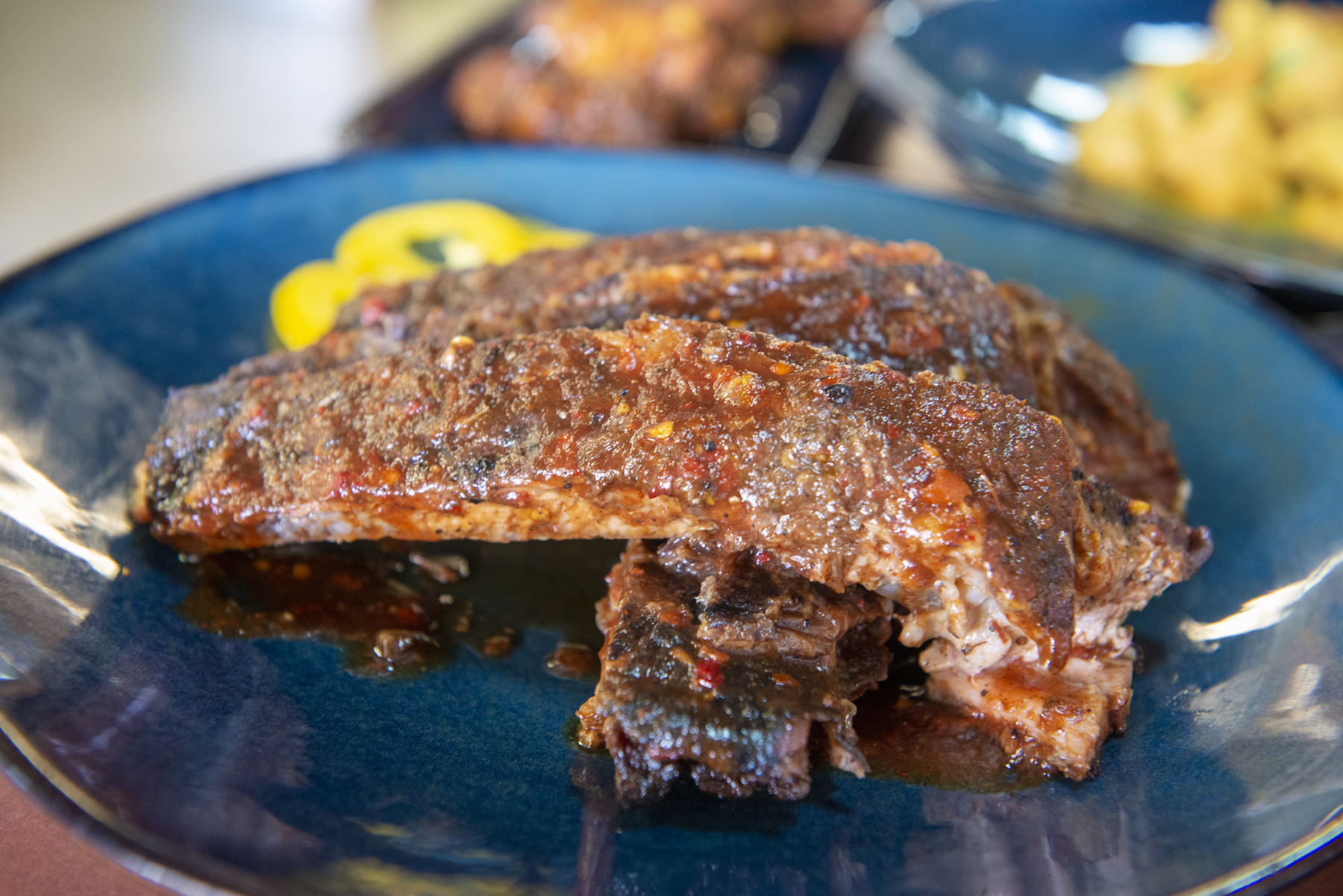
A centennial invites counting, but food resists neat arithmetic. Recipes move by memory, taste, thrift, migration, and appetite. They change in one generation, hold fast in the next, and often say more about a country than official timelines do. When people speak about a jamaican food centennial, they are often reaching for something larger than a date on a calendar. They are trying to mark a hundred years of lived flavor, a century of adaptation, and the way a national table can carry slavery, emancipation, empire, trade, religion, tourism, scarcity, celebration, and invention all at once.
Jamaica’s food story cannot be flattened into one signature plate, however tempting that may be for brochures or airport menus. Ackee and saltfish may wear the symbolic crown, and jerk may be the global ambassador, but the deeper truth sits across many pots. A Saturday soup, a roadside pan chicken, a box lunch with rice and peas, a flaky patty eaten standing up, a steamed fish on festival occasions, a pudding baked from memory rather than measurement, all of them count. Each one records who came, who stayed, who worked the land, who controlled trade, and who made something sustaining out of whatever was available.
That is what makes Jamaica such a compelling subject for a centennial lens. Over the last hundred years, the island’s food has become more visible to the world, but it has also remained stubbornly local in the best sense. Techniques have traveled, ingredients have shifted, and new tastes have entered the kitchen, yet the food still answers to place. It answers to heat, rain, mountain soil, reef fish, market rhythms, sugar-era histories, Afro-Caribbean ingenuity, Indian and Chinese influence, British colonial residue, and the distinctly Jamaican instinct to season food until it says exactly what it means.
A century tasted through the market, not the museum
The easiest way to misunderstand Jamaican cuisine is to treat it as a static heritage display. It is not. It is a living system shaped by economics as much as tradition. Walk through a serious market in Kingston, Montego Bay, or a parish town, and you see how much the kitchen depends on availability. Scotch bonnet, thyme, scallion, pimento, ginger, yam, coco, callaloo, plantain, breadfruit, cassava, pumpkin, fresh fish, goat, salt cod, chicken backs, pig tails, red peas, gungo peas, all of these ingredients tell their own stories of class, season, and occasion.
Over roughly the past hundred years, the Jamaican table has reflected profound changes. Rural households once relied even more heavily on ground provisions, preserved fish, and what could be raised or grown nearby. Urbanization altered eating patterns. Imported staples expanded. Tourism created a second food economy, sometimes rewarding spectacle over subtlety. Migration to Britain, Canada, and the United States sent recipes abroad and brought new habits back home. Fast food arrived, but it never fully displaced the authority of a proper cooked meal. Even when convenience wins on a busy day, the benchmark remains the same: does it have flavor, substance, and the right seasoning?
That last point matters. Jamaican food is often described as spicy, but that is too narrow. Good Jamaican cooking is seasoned, and seasoning is a discipline. It means layers. It means thyme is not decorative. Pimento is not an afterthought. Scotch bonnet is not there to punish the tongue. Browning, ginger, escallion, garlic, onion, allspice, curry powder, fresh herbs, smoke, citrus, and salt are used with judgment. In experienced hands, even the humblest pot of stew can carry extraordinary depth.
Ackee and saltfish, the national dish with a complicated ancestry
No dish better captures Jamaica’s layered identity than ackee and saltfish. On the plate it can look simple, almost casual. In fact, it is a meeting of forced history and botanical travel. Saltfish came through Atlantic trade and preservation needs. Ackee came from West Africa and took root in Jamaican soil so completely that many people outside the Caribbean assume it was always native to the island. The pairing is now iconic, but its importance lies in how naturally it fuses displacement, adaptation, and local genius.
When done well, ackee and saltfish is a masterclass in restraint. The ackee should be buttery and delicate, never mashed into paste. The saltfish needs enough soaking and boiling to soften its cure while keeping character. Onion, tomato, scallion, thyme, black pepper, and a little Scotch bonnet sharpen and lift the dish. Too much handling ruins the texture. Too little seasoning leaves it flat. That tension between richness and freshness is what separates an ordinary version from a memorable one.
It is also a dish that reveals social context. Eaten with fried dumplings, roasted breadfruit, boiled green banana, yam, or festival, it can move from breakfast to brunch to a holiday spread. In many Jamaican homes, the accompaniments say as much as the main pot. Breadfruit, in particular, adds another historical layer, linking plantation-era movement of crops with today’s comfort food traditions. A plate of ackee and saltfish with roast breadfruit is not just filling, it is archival.
Jerk, from maroon technique to global shorthand
If ackee and saltfish tells a story of fusion through trade, jerk tells one of resistance, landscape, and survival. Jerk cooking is rooted in maroon practice, shaped by people who preserved African knowledge while adapting to Jamaica’s interior terrain. The method is inseparable from pimento wood, smoke, and a seasoning profile that penetrates rather than merely coats. Modern jerk has become a category broad enough to cover almost anything sold hot off a grill, but the original discipline still matters.
The problem with the global popularity of jerk is that it often strips away context. Outside Jamaica, “jerk” can mean a sweet bottled marinade or a generic heat level. On the island, and in kitchens that respect the tradition, jerk is more exacting. The best versions balance fire with earthiness, smoke with herbaceous lift. The meat, whether pork or chicken, should taste seasoned to the bone. The exterior should carry char and caramelization, but not bitterness. Festival or bammy on the side is not filler. It cools, balances, and rounds out the meal.
Any conversation about a jamaican food centennial would be incomplete without jerk because jerk marks one of the clearest journeys from localized technique to national symbol to international brand. That journey brings pride, but also trade-offs. Commercial expansion can flatten regional nuance. A roadside jerk pit in Boston, Portland, or St. Ann does not taste exactly like one in Kingston, and it should not. Microclimate, wood, handling, marinading time, and even the rhythm of the fire change the result. Serious food lovers know that these differences are the point, not a defect.
Rice and peas, and the grammar of the Sunday plate
There are famous dishes, and then there are foundational dishes. Rice and peas belongs to the second category. Despite the name, it is usually made with beans, often red kidney beans or gungo peas depending on season and preference. The rice is cooked with coconut milk, thyme, scallion, and often Scotch bonnet, creating a fragrant, lightly creamy grain that acts as the backbone of a meal. It is common on Sundays, holidays, and family occasions, but it also appears throughout the week in different contexts.
This is where outsiders often miss the structure of Jamaican eating. A plate is rarely about one spectacular item. It is about the relationship between starch, protein, gravy, vegetables, pickled elements, and heat. Rice and peas allows stewed meats to shine while bringing its own aroma and sweetness. It has enough personality to matter and enough discipline not to dominate.
Sunday lunch in Jamaica has a near-ceremonial importance in many households. Even families with modest means often push for a table that feels fuller on that day. Rice and peas with chicken, goat, pork, or fish, perhaps with salad, plantain, and a soft drink, can carry the emotional weight of reunion. People talk about recipes, but they are usually talking about rhythm. Who cooks the peas until tender before adding rice. Who insists the coconut milk should be fresh if possible. Who knows exactly when to lower the flame so the pot does not catch at the bottom. That is where continuity lives.
Curry goat and the mark of Indian influence
Jamaican food is proudly Afro-Caribbean at its core, but it is also unmistakably plural. Curry goat stands as one of the clearest examples of Indian influence becoming thoroughly Jamaican. Indentured laborers from India brought cooking techniques, spices, and flavor preferences that were absorbed into the island’s wider culinary life. Over time, curry in Jamaica developed its own profile. It is often deeper in turmeric color, assertive with allspice and thyme nearby in the kitchen, and usually built for long, slow cooking.
A proper curry goat should not taste dusty or one-note. The curry must bloom in fat, the goat must be marinated with care, and the final sauce should coat without becoming greasy. Texture matters. Goat can turn stringy or tough if rushed. It can also become dull if the cook is afraid of enough seasoning. The best versions deliver tenderness, heat, savor, and a little edge from the bone and connective tissue that enrich the gravy.
This dish often appears at weddings, funerals, church events, and large gatherings, which tells you something important. Curry goat is festive, but it is also communal. It scales well in big pots, and its flavor often improves as it sits. In practical terms, that makes it suited to events where food is cooked in advance and served over several hours. In cultural terms, it means curry goat belongs to moments when community gathers under pressure or joy. Those are often the meals people remember most vividly.
Patties, coco bread, and the genius of eating on the move
The Jamaican patty deserves serious respect precisely because it is so easy to underestimate. It is sold quickly, eaten casually, and often discussed as street food or snack food, but it is one of the island’s most efficient flavor packages. A good patty is all about engineering. The crust should be flaky without shattering into useless dust. The filling, whether beef, chicken, vegetable, saltfish, or another variation, needs enough moisture to satisfy but not so much that it collapses the pastry.
The yellow crust, often associated with turmeric or curry-tinted dough, makes the patty visually distinct. The seasoning inside matters even more. The filling should taste unmistakably Jamaican, not like generic minced meat folded into pastry. Thyme, pepper, scallion, and a certain depth jamaican food centennial of savory intensity are non-negotiable.
Then there is coco bread, soft and slightly sweet, often used to cradle the patty into a more substantial meal. Some combinations become daily habit for students, workers, drivers, and anyone grabbing food between obligations. That practicality is part of the dish’s social importance. A cuisine is not built only on holiday meals. It is also built on what people can afford, carry, eat quickly, and still feel satisfied by. The patty, especially over the last century of urban life and expanding food retail, has become one of Jamaica’s most democratic foods.
Ital cooking and a different idea of abundance
No honest portrait of Jamaican cuisine can ignore Rastafari influence and the development of ital cooking. Ital food is often described in shorthand as natural, plant-forward, and free from certain processed elements, but its deeper significance lies in philosophy. It is food shaped by an ethic of vitality, purity, and closeness to the earth. Depending on the cook and the specific observance, ital meals may exclude meat, salt, artificial additives, or particular forms of processing.
What matters for the broader national story is that ital cooking expanded the definition of Jamaican abundance. jamaican food centennial It showed that a table rich in pumpkin, callaloo, okra, lentils, coconut, yam, breadfruit, beans, herbs, and spices could feel deeply satisfying without relying on the older prestige markers of meat-heavy celebration. In practical kitchen terms, ital also sharpened respect for produce. Good cooks know vegetables are not side notes. They have texture, sweetness, bitterness, starch, and aroma that can be coaxed into complexity.
Many travelers encounter Jamaican food first through jerk or patties, then discover ital later and realize they had only seen part of the picture. That second discovery often changes their understanding of the island’s culinary depth. A well-cooked ital stew, a coconut-based bean dish, or a plate of callaloo and ground provisions can be as expressive as any meat dish on the menu.
Fish, festival, bammy, and the island’s coastal intelligence
An island kitchen that ignores fish would be a contradiction. Jamaica’s seafood traditions vary by coast, catch, and community, but fish remains central to everyday and celebratory eating. Escovitch fish is one of the classics, fried until the skin has structure, then topped or dressed with a sharp mix of vinegar, onion, carrot, and Scotch bonnet. It is bright, hot, acidic, and exact. The pickling element cuts through oil and wakes up the fish. On a hot day, it tastes especially right.
Steamed fish tells a different story. It is gentler, more aromatic, often built with okra, carrot, cho cho, onion, thyme, and pepper in a broth that becomes part soup, part sauce. Bammy, made from cassava, is one of the ideal companions. Its roots are Indigenous, and its survival on the modern table is a reminder that Jamaica’s food history predates colonial overlays. Festival, the slightly sweet fried dough served with jerk and fish, adds another textural note altogether.
These side dishes matter because Jamaican cuisine is deeply attentive to contrast. Crisp beside soft, pickled beside rich, sweet beside smoky, starch beside heat. That balance is one reason the food remains so satisfying over time. It is not simply forceful seasoning. It is composition.
Soup, pudding, and the foods that hold households together
Public discussions of national dishes often overlook the foods that are less glamorous but more intimate. Saturday soup, for example, deserves its own respect. Whether it is red peas soup, chicken foot soup, mannish water, or another variation, soup in Jamaica is rarely a starter in the European sense. It is a meal. It can contain yam, dumplings, pumpkin, carrots, peas, and meat in a broth thick enough to sustain hard work and long afternoons.
Soup also speaks directly to economy. It stretches ingredients, rewards slow cooking, and makes use of parts of the animal that industrial food cultures often discard. There is skill in getting those pots right. Too thin, and the soup feels mean. Too thick, and it loses its elegance. The pumpkin must blend without turning everything cloying. The dumplings need body without becoming leaden.
Puddings, meanwhile, carry another kind of memory. Sweet potato pudding, cornmeal pudding, cassava pone, and other baked sweets reveal the resourcefulness of Caribbean baking traditions, where root crops, coconut milk, spice, and patient heat produce desserts with dense, comforting character. These are not delicate pastries meant for a fleeting bite. They are serious sweets, often cut in generous pieces, carrying smoke, spice, and the sweetness of ingredients that have fed generations.
What a centennial really asks us to notice
A hundred-year frame can tempt people to rank dishes, settle arguments, and search for one definitive national menu. That misses the point. A useful centennial perspective asks what endured, what changed, and why. In Jamaica’s case, a few themes stand out.
- Local ingredients remained powerful even as imported foods grew more common.
- Techniques outlasted trends, especially smoking, stewing, curing, frying, and one-pot cooking.
- Migration widened the audience for Jamaican food without erasing its regional accents.
- Community meals, church gatherings, funerals, weddings, and Sunday lunch preserved standards that restaurants alone could not.
- Seasoning stayed at the center, not as bravado, but as craft.
Those five truths help explain why Jamaican food has retained such a clear identity despite a century of change. The island’s cuisine is adaptable, but it is not vague. It welcomes influence, yet it demands translation into local taste. That is a subtle but crucial distinction.
The challenge of preserving authenticity without freezing the cuisine
There is always tension when a cuisine becomes globally admired. People want authenticity, but they also want convenience, scale, consistency, and easy labels. Jamaica has felt all of these pressures. Restaurant menus abroad may condense the cuisine to jerk chicken, oxtail, patties, and rum cake. Resorts may soften seasoning for visitors. Manufacturers may simplify recipes for distribution. None of that is surprising. The risk is that the wider public starts to confuse the export version with the whole tradition.
Preservation, however, does not mean rigid purity. Jamaican food has never been pure in that sense. It is the product of movement and mixing. What should be protected are standards of flavor, method, and understanding. Ackee must be respected for proper preparation and texture. Jerk should still mean something more than bottled heat. Curry goat should carry depth earned through time. Rice and peas should not become an afterthought. Ital cooking should be understood as a philosophical foodway, not merely a dietary trend.
There is also a practical preservation issue inside Jamaica itself. Younger cooks inherit recipes in a world of tighter schedules, rising ingredient costs, and less time for wood fires, long marination, and all-day pots. Some shortcuts are reasonable. Others noticeably weaken the result. Experienced cooks know where flexibility is harmless and where it becomes loss. Powdered coconut milk may be acceptable on a busy day. Underseasoned stew is not. Store-bought pastry may save time. A dry patty filling is still a failure. Judgment, more than nostalgia, keeps a cuisine alive.
The future of Jamaican food is already on the table
The most encouraging thing about Jamaican cooking is that its future is not theoretical. It is already visible in home kitchens, roadside stalls, bakeries, hotel restaurants that take local ingredients seriously, and diaspora spaces that refuse bland imitation. Younger chefs are revisiting cassava, breadfruit, local cocoa, bush teas, inland produce, and older preservation methods with fresh respect. Home cooks continue to pass down methods that never needed a cookbook to survive. Street vendors keep serving food that remains truer to national taste than many polished dining rooms.
A centennial, then, is less about a ceremonial backward glance than a sharpened look at continuity. Jamaica’s food tells the country’s story because it has always been forced to negotiate reality, and it has done so brilliantly. It carries African inheritance, Indigenous traces, colonial violence, Asian influence, village economy, urban hustle, religious principle, and festive excess. It can be humble or elaborate, restorative or celebratory, but it is rarely anonymous.
The dishes that matter most are the ones that still taste of place and people. A plate of ackee and saltfish with breadfruit. Jerk from a pan that has seen years of fire. Rice and peas under a spoonful of curry goat gravy. Escovitch fish with bammy. A patty eaten too quickly because the bus is coming. Saturday soup shared from a big pot. Those foods do more than feed. They preserve a vocabulary of Jamaican life that a hundred years have not worn away.
Reggae Pot Jamaican Grill
Address: 7562 S University Blvd C, Centennial, CO 80122
Phone number: +13039975623
FAQ About Jamaican Food Centennial
What is typical Jamaican food?
Typical Jamaican food features bold, vibrant flavors created by blending African, Taino, European, and Asian influences.
What is a famous Jamaican dish?
The most famous Jamaican dish is Ackee and Saltfish, which is the national dish of Jamaica.
What are the top 10 foods to eat in Jamaica?
AI Overview The top 10 traditional foods to eat in Jamaica are bold, flavorful dishes that mix local ingredients with global influences.