Jamaican Food Centennial: 100 Years of Spice, Soul, and Culture
A century is a useful span for thinking about food. It is long enough to watch necessity turn into tradition, tradition turn into identity, and identity travel far beyond its place of origin. In the case of Jamaica, the story of the last hundred years is written as clearly in a cooking pot as it is in any archive. You can taste migration in curry goat, memory in escovitch fish, thrift in mannish water, celebration in jerk pork, and survival in a pot of rice and peas stretched to feed a crowd.
The phrase jamaican food centennial carries a certain weight because Jamaican cuisine has never been only about flavor. It has always been about adaptation, pride, and the creative power of a people who learned how to build abundance from limited means. Over the past hundred years, Jamaican cooking has absorbed African inheritance, Indigenous knowledge, British colonial influence, Indian and Chinese migration, Middle Eastern trade, American tourism, and the constant movement of Jamaicans across the Caribbean, the United Kingdom, Canada, and the United States. Few cuisines wear their history so openly, and fewer still manage to remain so recognizable while changing shape in so many kitchens.
What makes Jamaican food remarkable is not simply heat, though Scotch bonnet peppers deserve their reputation. It is the balance between intensity and restraint. A proper stew can be deeply seasoned without becoming muddy. A jerk marinade can scorch your lips yet still leave room for thyme, scallion, pimento, and smoke to speak. Fried plantain can sit next to curried vegetables or brown stew chicken and make the whole plate feel complete, not crowded. Good Jamaican cooking is confident enough to let contrast do some of the work.
The island in the pot
To understand Jamaican food over the last hundred years, it helps to start with the ingredients that define the island pantry. Pimento, known elsewhere as allspice, is one of the most important. It lends warmth that feels woody, peppery, and faintly sweet all at once. Scotch bonnet brings fruit and fire, not just blunt heat. Thyme, scallion, ginger, garlic, coconut, cassava, yam, breadfruit, callaloo, green banana, saltfish, and fresh fish from coastal waters all form part of a cooking vocabulary that is both practical and expressive.
What stands out in real Jamaican kitchens is how often humble ingredients become the center of the meal. Saltfish, once a preserved staple tied to colonial trade routes, is transformed in ackee and saltfish into something luxurious in texture and unmistakably national in character. Green bananas and yams, often treated as side items elsewhere, carry a meal with quiet authority. Soup is never just soup. It is fortifying, social, and often almost meal-like in heft.
That practicality matters because Jamaican food was shaped by periods when imported goods were expensive, refrigeration was limited, and cooking had to account for season, distance, and income. The result was a cuisine that wastes very little. Bones flavor broth. Tough cuts become tender in time. Leftover roast breadfruit turns up the next day in a different form. Seasoning is never casual, because seasoning is how a cook stretches value. Even when resources are scarce, flavor does not need to be.
A hundred years of change without losing the center
If you look back across the twentieth century and into the twenty-first, Jamaican food has changed in ways that are easy to miss if you only focus on iconic dishes. The broad outline of the cuisine remains stable, but the context around it has shifted dramatically. Urbanization changed shopping habits and kitchen routines. Tourism created demand for polished, exportable versions of local dishes. Migration carried recipes abroad and forced substitutions. Health concerns altered the way some families use salt, fat, and starch. Yet the center has held.
In the early and middle decades of the last century, many Jamaican households relied on what was nearby, seasonal, and affordable. Cooking methods reflected fuel realities as much as taste. Charcoal, wood fire, and slow simmering were not aesthetic choices. They were normal life. That matters because smoky flavor, deeply reduced gravies, and slow-cooked tenderness are not accidents in Jamaican cuisine. They come from how people actually cooked for generations.
As more Jamaicans moved to Kingston and other towns, market culture remained important, but the structure of daily eating shifted. Street food became even more central, not as novelty but as routine. Patties, roast corn, pan chicken, soups sold by the roadside, and freshly cut fruit with pepper and salt became practical answers to long workdays and busy commutes. Later, fast-food chains arrived, but they never fully replaced local patterns of eating. In Jamaica, convenience often still tastes local.
The diaspora changed things further. Ask anyone who has eaten Jamaican food in London, Toronto, Brooklyn, or South Florida, and they will tell you the plate travels well, but not unchanged. Certain yams are harder to find. Fresh ackee can be inaccessible or tightly regulated. The pimento is sometimes weaker. The chicken may not have the same texture. Climate changes produce, and produce changes flavor. Good diaspora cooks learn to compensate, often with remarkable skill, but they will also admit that jamaican food centennial some tastes remain stubbornly tied to place.
Jerk, beyond the postcard
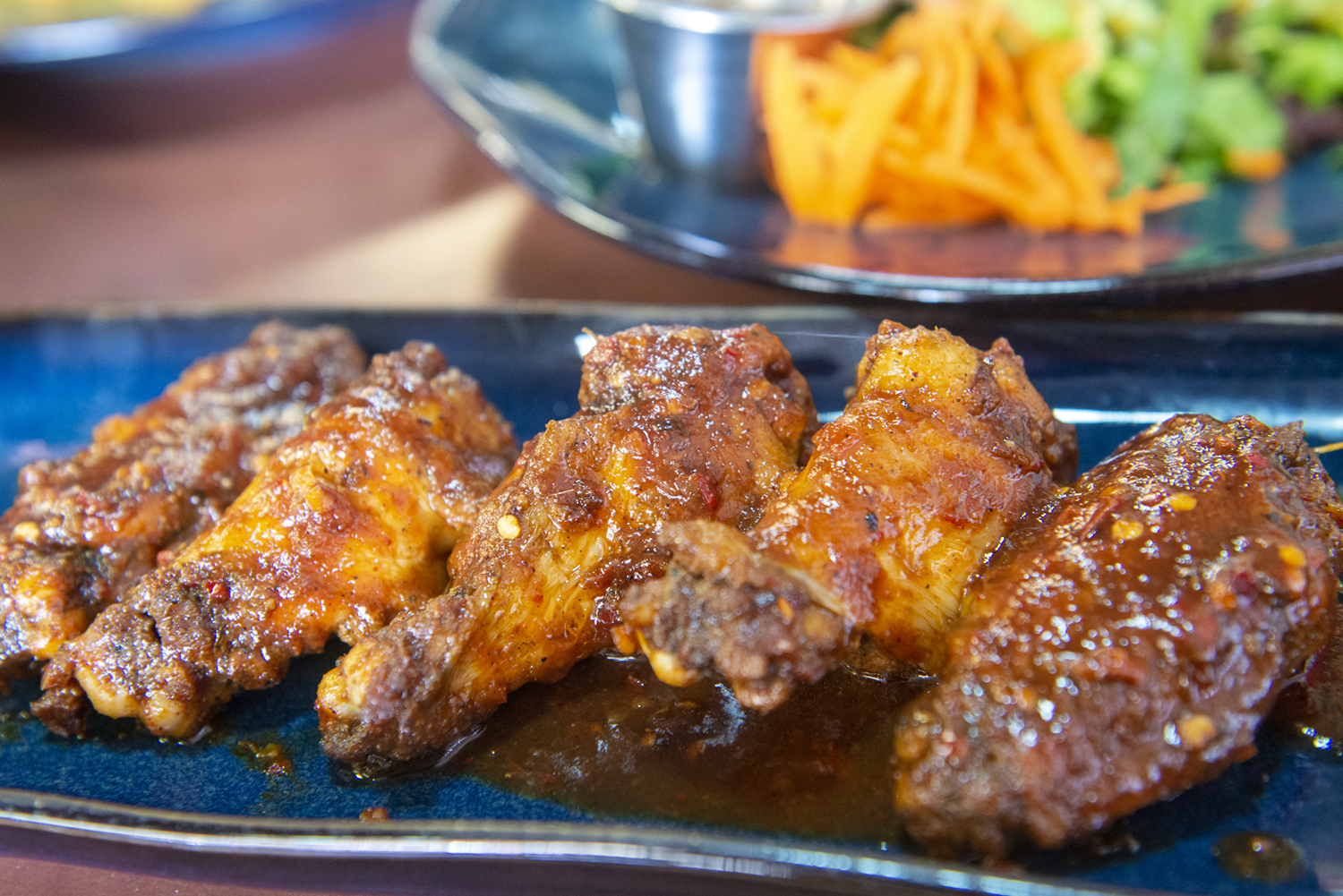
No discussion of Jamaican food can avoid jerk, though it is often flattened into a tourist shorthand. Real jerk deserves better than that. It is one of the most historically meaningful cooking traditions on the island, rooted in preservation, marination, smoke, and the knowledge of communities who cooked in ways designed for both flavor and survival. The classic pairing of pimento wood and Scotch bonnet is not a branding exercise. It is the core of a method.
Well-made jerk is layered. The heat arrives, certainly, but first you get aromatic lift from thyme and scallion, then earthier notes from pimento and cloves, then smoke, salt, and jamaican food centennial char. Texture matters too. Jerk chicken should not be soft and saucy in the way many restaurant versions are. It should show the marks of fire. Jerk pork, at its best, offers a more luscious reward, with rendered fat carrying spice through every bite.
There is a practical lesson here about Jamaican cuisine as a whole. Signature dishes are rarely one-note. People unfamiliar with the food often expect overwhelming spice, but the best Jamaican cooks know how to calibrate intensity. One of the surest signs of experience is not how much pepper a dish contains, but how well the pepper is integrated. Scotch bonnet used carelessly dominates. Used properly, it brightens and deepens at the same time.
The everyday dishes that tell the truest story
Iconic dishes attract attention, but everyday cooking reveals the real character of a cuisine. In Jamaica, that means stewed peas, rice and peas, rundown, brown stew chicken, pumpkin soup, callaloo, fried dumpling, festival, and the many variations of ground provisions prepared for breakfast, lunch, or dinner. These are the dishes that carry households through ordinary weeks. They are also where individual cooks leave their signature.
Rice and peas offers a good example. Outsiders often assume it is simple because it is common. It is common because it is excellent and adaptable. The rice is usually cooked with coconut milk, herbs, and either kidney beans or gungo peas, depending on the season and household preference. Done well, every grain is separate but infused. Done poorly, it turns heavy and flat. Good rice and peas requires timing, proportion, and judgment, especially when cooked in large quantities.
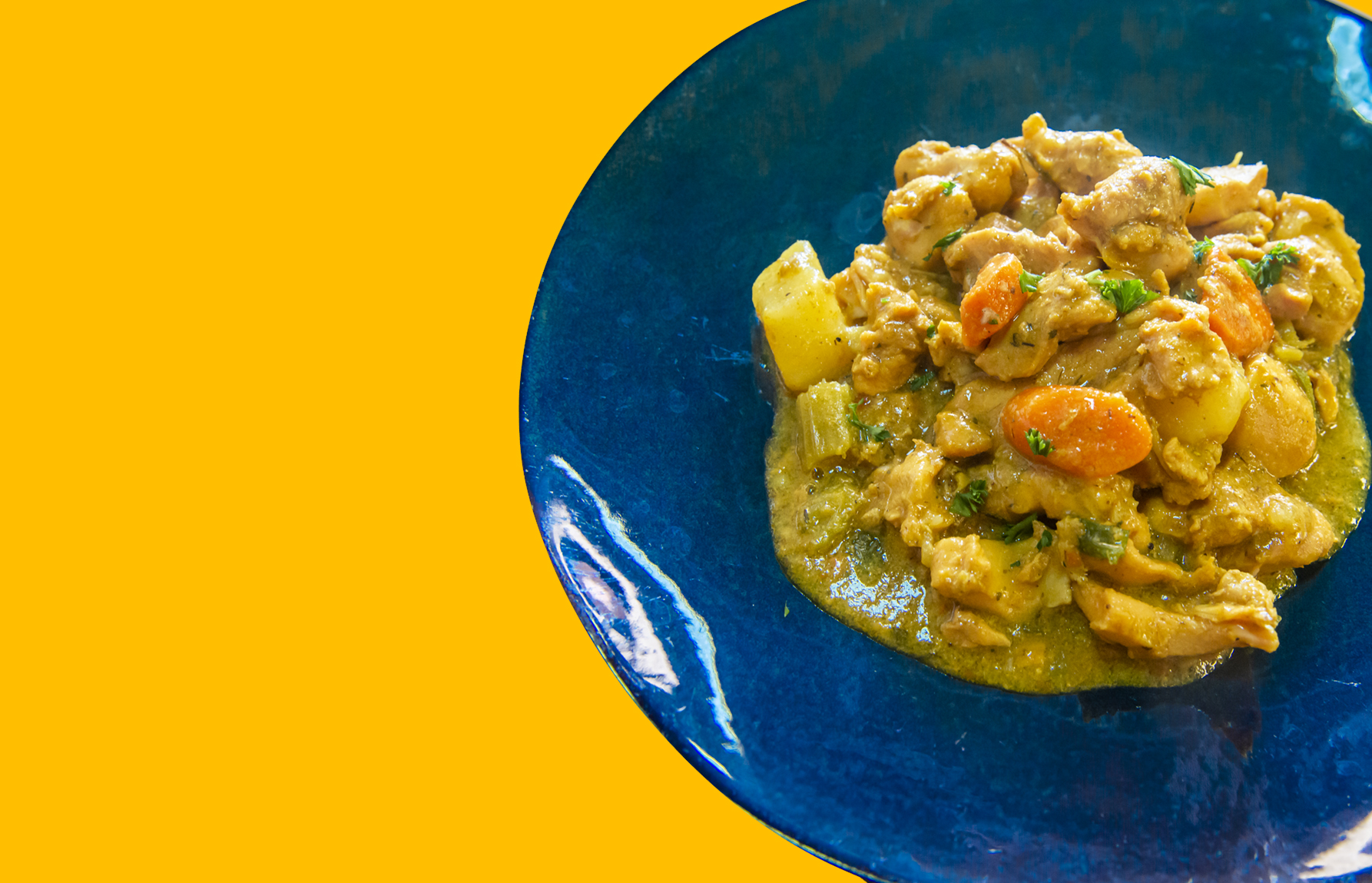
Brown stew chicken is another test of skill. The browning sauce must deepen flavor without pushing the dish into bitterness. The vegetables should soften into the gravy but not vanish entirely. The chicken should stay distinct from the sauce, not dissolve into it. In experienced hands, the result feels effortless. In practice, it is a careful balancing act.
Then there is soup, a category that deserves more respect outside Jamaica than it usually gets. Saturday soup in many homes is an event in itself. Pumpkin soup, red peas soup, chicken foot soup, fish tea, and mannish water are substantial, aromatic, and restorative. They are also social. A good pot draws people into the kitchen before the bowls are served. Someone lifts the lid, someone comments on the thickness, someone asks whether the dumplings are ready. Food and conversation move together.
Breakfast, where the island speaks plainly
If I want to know whether a cook understands Jamaican food, I pay attention to breakfast. Breakfast asks for less theatricality and more judgment. Ackee and saltfish, callaloo with saltfish, boiled green bananas, yam, fried dumplings, and sometimes breadfruit or plantain create a meal that is sturdy, salty, soft, crisp, and deeply satisfying. There is no place to hide weak technique in food like this.
Ackee itself is a lesson in texture. When handled properly, it is delicate and buttery, almost egg-like, which explains why the pairing with saltfish works so well. The fish brings salinity and chew. Tomato, onion, scallion, thyme, and pepper add brightness. But the dish can be ruined easily if overworked. Ackee should not be mashed into a scramble. It should hold its shape, almost loosely folded through the pan.
Breakfast also highlights the enduring importance of starches in Jamaican life. Boiled yam, green banana, dumpling, and breadfruit are not afterthoughts. They are fuel, but they are also anchors. They make a plate feel grounded. In a climate where labor was historically physical and the day often started early, these foods made practical sense. They still do.
Migration changed the menu, not the memory
One of the most important chapters in the last hundred years of Jamaican food is migration. When Jamaicans settled abroad in large numbers, they did not leave their cooking behind. They rebuilt it with what they could find, then built businesses around it. Restaurants, bakeries, takeaways, market stalls, and catering operations became cultural lifelines.
The first generation of diaspora cooking often had to make hard substitutions. Scotch bonnet might be replaced with another hot pepper. Proper coco bread might be difficult to reproduce without the right flour or bakery equipment. Goat might be expensive or inconsistent. Yet these constraints did not weaken the cuisine. In many places they sharpened it. Cooks learned which compromises were acceptable and which were not.
That distinction matters. You can adjust a recipe without surrendering its identity, but only if you understand what the soul of the dish is. For patties, the filling can vary, but the pastry must still offer that fragile, tinted shell that flakes and gives way to savory heat. For curry goat, the cut, the marinade time, and the slow finish matter more than decorative garnish. For sorrel drink, the balance of tart hibiscus, spice, and sweetness is the whole point.
Second and third generation Jamaican cooks abroad have done something equally important. They have preserved memory while allowing the cuisine to converse with its new surroundings. That is how you get beautifully made vegan ital stews in Toronto, jerk-inflected barbecue in New York, refined tasting menus in London that treat breadfruit and callaloo with the seriousness they deserve, and home cooks in Miami who still judge a meal by whether the gravy tastes right.
The restaurant version and the home version
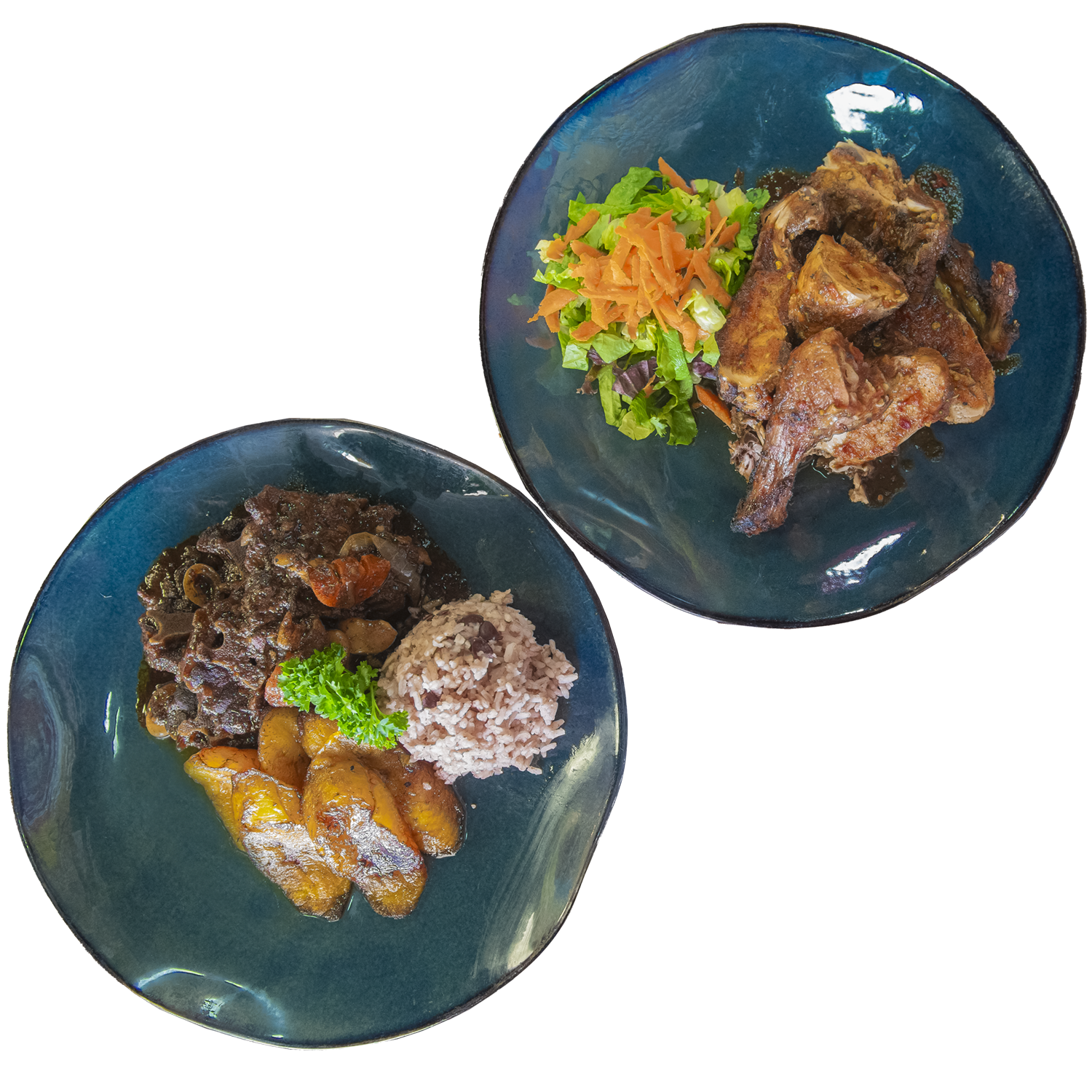
There is always a gap between restaurant food and home food, and in Jamaican cuisine that gap can be especially wide. Restaurant menus tend to emphasize dishes that travel well, sell quickly, and match what customers expect. That usually means jerk chicken, oxtail, curry goat, patties, fried plantain, and rice and peas. These dishes are important, but they do not represent the full breadth of what people actually eat at home.
Home cooking tends to be more seasonal, more frugal, and often more varied. It makes room for soups, steamed cabbage, salt mackerel, liver, fresh fish prepared simply, and ground provisions that a tourist menu may barely mention. It also allows for personal preferences that never become standardized. One family uses more coconut milk. Another prefers a lighter hand with thyme. One cook swears by adding a little sugar to balance a stew, while another considers that unnecessary.
This is one reason Jamaican food can be misunderstood abroad. Diners often come to know the cuisine through a narrow set of restaurant staples, many of them rich, dark, and celebratory. Those dishes matter, but they are only part of the story. The quieter foods, the weekday foods, the foods made for children, elders, and busy workers, often tell you more about a culture than the famous showstoppers do.
The influence of rastafarian ital cooking
No serious look at Jamaican food over the last century is complete without discussing ital cooking. Rooted in Rastafarian principles of natural, vital eating, ital has shaped how many people think about purity, plant-based nourishment, and the relationship between food and spiritual life. Not every ital kitchen follows the same rules, and interpretations vary widely, but the broader influence has been profound.
Ital cuisine proves that Jamaican food is not dependent on meat or heavy sauces to feel complete. Coconut milk, legumes, callaloo, pumpkin, cho cho, carrots, okra, and a wide range of herbs can produce meals of real depth. The seasoning logic remains recognizably Jamaican, but the result is often cleaner, brighter, and more vegetable-forward than outsiders expect.
That influence has become even more visible in recent years as diners around the world seek plant-based food with character. Jamaican cooks have had a strong answer ready for decades. A well-made ital stew does not imitate meat-based cooking. It stands on its own merits, deeply seasoned, texturally satisfying, and rooted in a worldview rather than a trend.
Sweetness, celebration, and the social table
Jamaican food is often discussed through savory dishes, yet sweets and festive foods carry just as much cultural meaning. Christmas black cake, gizzada, grater cake, toto, sweet potato pudding, and bun and cheese all speak to the island’s talent for bold flavor even in dessert. Nutmeg, cinnamon, vanilla, coconut, rum, molasses, and dried fruit appear with generosity, not timidity.
Holiday food in Jamaica is especially revealing because it shows how cuisine stores ritual. Christmas sorrel, steeped with ginger and often enriched with rum, is more than a beverage. It marks a season. Easter bun and cheese is not simply a pairing but a memory trigger for many families. At gatherings, the food is not arranged only for efficiency. It is arranged for abundance and for sharing. Platters matter. Portions matter. Leftovers matter too, because tomorrow’s meal is often part of today’s plan.
One of the enduring strengths of Jamaican food is that it scales gracefully from the individual plate to the community feast. A single patty eaten on the move makes sense. So does a large Sunday dinner with multiple meat dishes, rice, vegetables, and something sweet at the end. The cuisine is comfortable at both sizes.
What the next hundred years may hold
The future of Jamaican food will likely be shaped by the same forces that have shaped the past century, adaptation, migration, and pride. Climate pressure may affect fisheries, produce availability, and the cost of traditional staples. Global demand may continue to popularize certain dishes while oversimplifying them. Younger cooks will keep modernizing presentation and technique. None of that needs to be a threat if the fundamentals remain intact.
What deserves protection is not rigid purity but understanding. A cuisine survives not because every cook follows the same recipe, but because enough cooks know why a dish tastes the way it should. They know what pimento contributes. They know how long a stew needs. They know when coconut milk helps and when it dulls. They know the difference between food made to impress and food made to sustain.
That is why the idea of a jamaican food centennial feels so rich. It invites more than nostalgia. It asks us to consider what has endured through hardship, travel, commercialization, and reinvention. Jamaican food has remained vivid because it is tied to more than appetite. It carries labor history, agricultural knowledge, family discipline, roadside entrepreneurship, religious influence, and the stubborn insistence that food should taste of somewhere real.
For anyone who has stood near a jerk pan as smoke catches the air, or watched a pot of soup thicken while relatives drift into the kitchen, or broken into a flaky patty that leaves turmeric crumbs on the table, the lesson is obvious. Jamaican food lasts because it is grounded. It feeds people physically, but it also reminds them who they are, where they come from, and what can be made from heat, time, and care.
A hundred years of spice, soul, and culture is not a slogan. In Jamaica, it is simply dinner.
Reggae Pot Jamaican Grill
Address: 7562 S University Blvd C, Centennial, CO 80122
Phone number: +13039975623
FAQ About Jamaican Food Centennial
What is typical Jamaican food?
Typical Jamaican food features bold, vibrant flavors created by blending African, Taino, European, and Asian influences.
What is a famous Jamaican dish?
The most famous Jamaican dish is Ackee and Saltfish, which is the national dish of Jamaica.
What are the top 10 foods to eat in Jamaica?
AI Overview The top 10 traditional foods to eat in Jamaica are bold, flavorful dishes that mix local ingredients with global influences.